
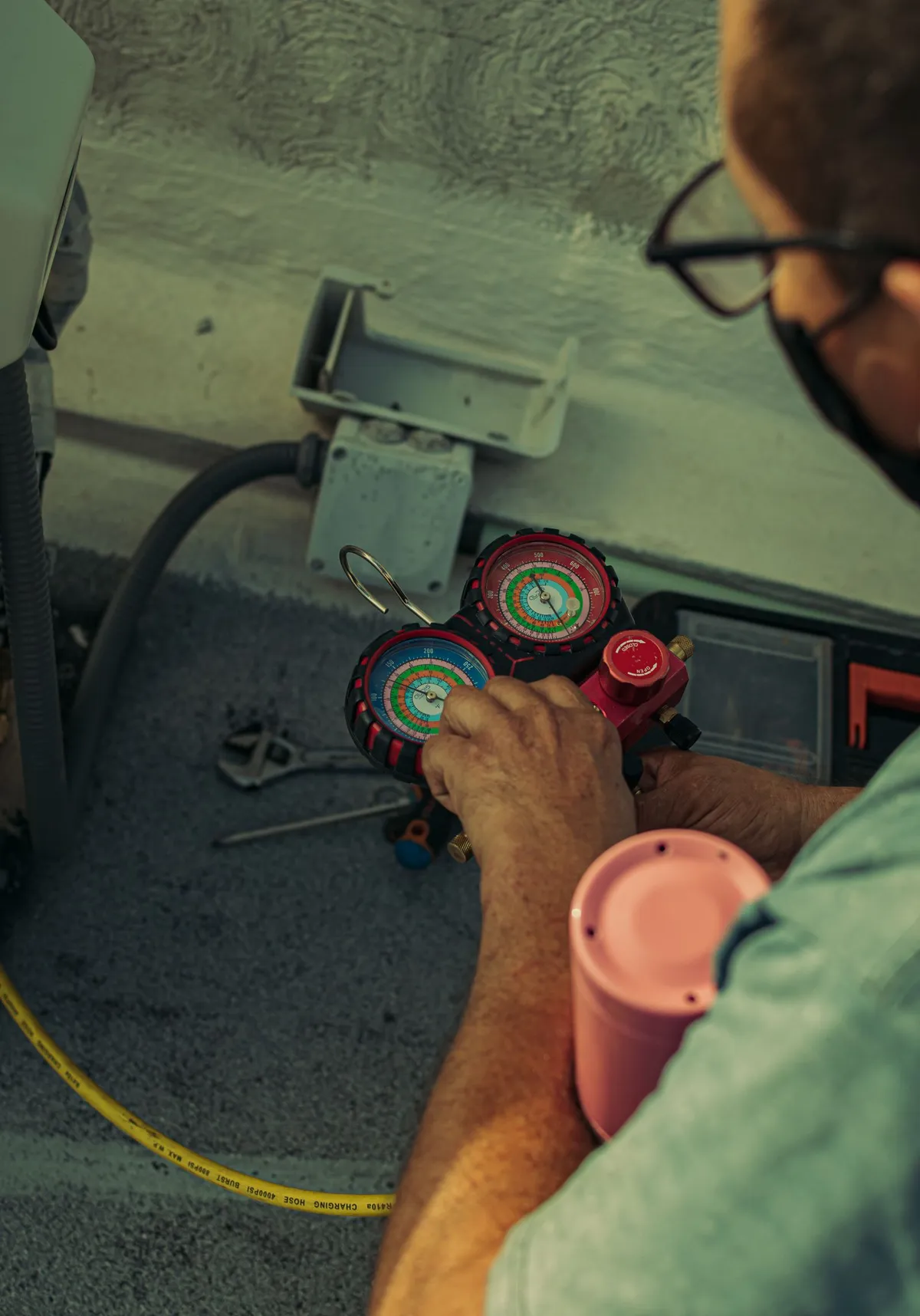
The best way to avoid air conditioning emergencies is to prevent them. Our preventive maintenance service catches small problems before they become big repairs. Regular maintenance extends the life of your system and saves money over time.
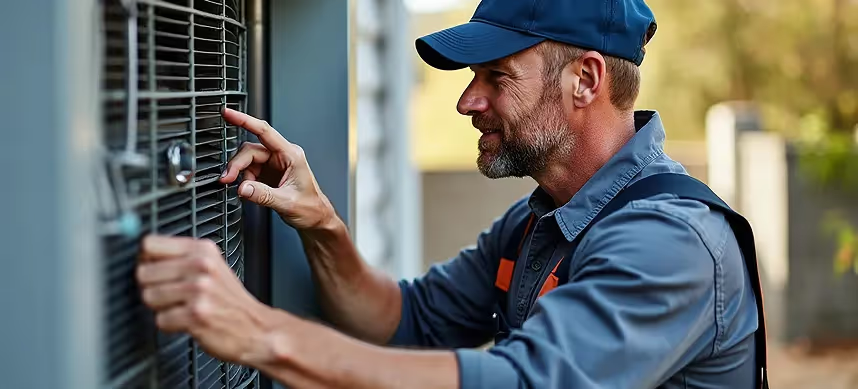
When to Schedule AC Preventive Maintenance
It's best to schedule annually in spring before your equipment fails. Seasonal preventive tune-ups allow you to catch and correct minor wear before internal components of your AC break down. Skipping this type of prevention allows minor wear to grow into bigger issues requiring a full air conditioning repair service in Fenton during summer.
Why Maintenance Timing Matters in St. Louis County Climate
NOAA long-term climate records explain why spring service heads off trouble before severe weather lands. Average July highs reach about 89 degrees Fahrenheit (opens in a new tab). A spring visit heads off total system failure before extreme heat arrives.
Proactive cleaning stops dirt buildup before hot weather begins. Clearing coils early costs far less than booking emergency summer service calls.
If your system has a slow refrigerant leak, it will struggle to cool your home by late summer. By checking pressures early you can avoid an emergency.
- St. Louis summers bring dozens of days above 90 degrees.
- High dew points accelerate coil fouling and drain clogs.
- Mild spring temperatures allow safe system testing.
- Early booking avoids peak season contractor backlogs.
Waiting until summer forces you to compete with other households for technician availability. Minor wear turns into a complete breakdown during severe heatwaves. Spring booking uses local climate patterns to stave off cooling emergencies.
When You Need Repair Instead of Maintenance
Your air conditioner gives clues before failing. Calls start with reports of strange noises lasting for weeks. Small fixes turn into larger issues requiring a more costly repair. Active symptoms mean your system needs repair work rather than routine prevention.
The following signs indicate equipment damage requiring diagnostic repair
- Air coming from vents feels weak in far rooms
- The air from vents feels warm
- Your system turn on and off in quick bursts
- Rattling or clicking sounds occur
- Musty smells develop during startup
- Electric bills rise without habit changes
Fenton sits close to the Meramec River. Summer humidity runs high across St. Louis County. Heavy moisture forces your cooling coil to work hard while pulling water out of the air. Skipping seasonal tune-ups allows dirt to collect on coil surfaces. Accumulated dirt restricts airflow and raises electric bills.
Ice on refrigerant lines indicates equipment failure. That condition requires immediate repair work. Scheduled preventive care stops component failures before they start.
When a Maintenance Visit Is Not the Right Fix
Preventive maintenance serves operational equipment. Broken systems require repair service.
Check paperwork for equipment installed within the last year. Installers often include twelve months of service coverage. Calling your original installer allows you to verify contract details.
Hard failures require immediate repair service. Request repair technicians for active operational faults.
- Vents blow warm air
- Water pools near indoor units
- Circuit breakers trip during startup
- Burning smells come from air vents
These conditions signal broken components or electrical faults. Maintenance checklists cannot fix broken equipment. Requesting repair service right away heads off extra diagnostic fees.
Filter changes represent one small part of preventive care. Full visits include coil washing, electrical testing, pressure checks, and drain clearing.
Our AC System Maintenance Process
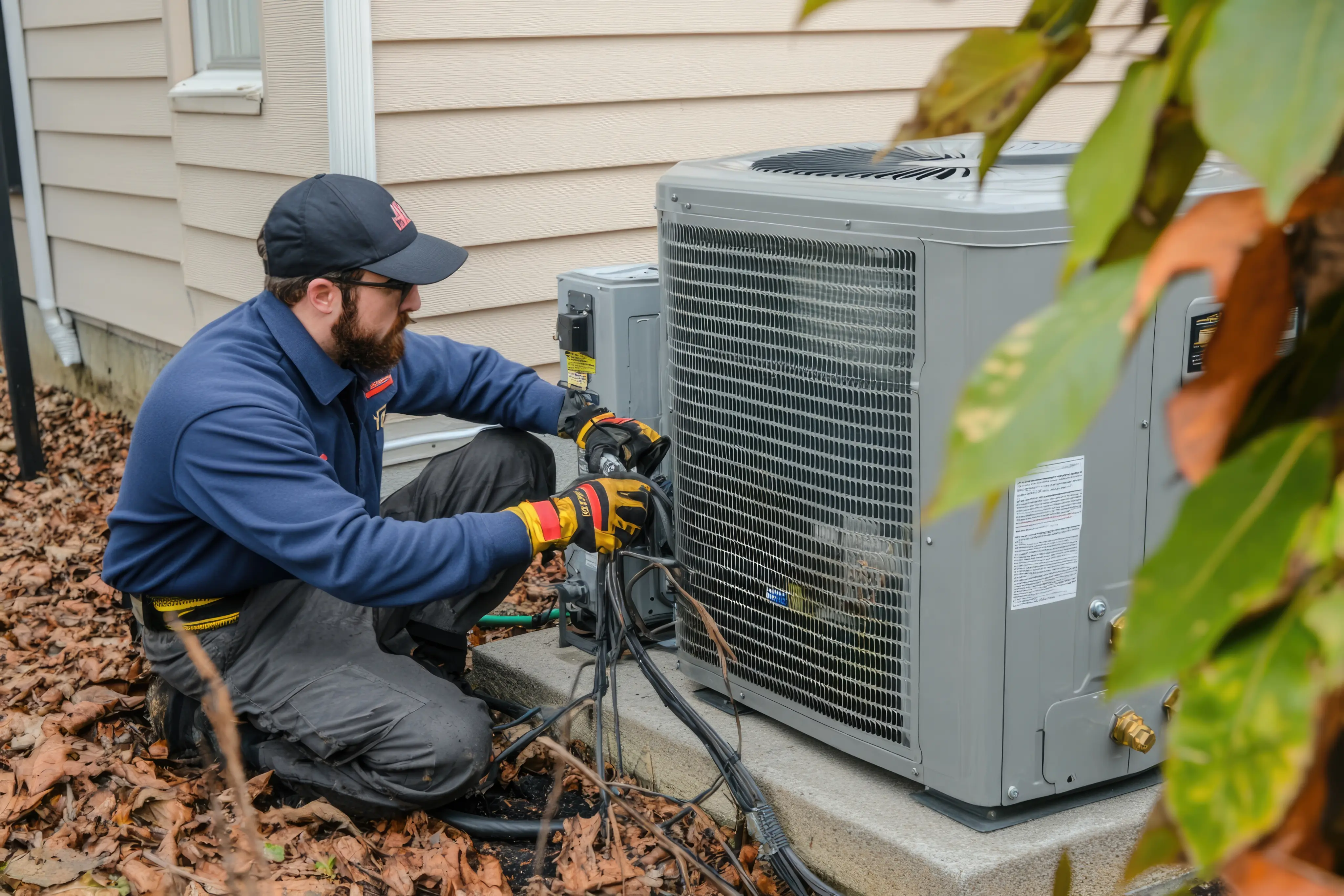
Technicians follow systematic procedures during home visits. All our work meets local building codes. Licensing protects your equipment during electrical testing and refrigerant handling.
The 6-Step Service System delivers consistent care. Technicians document findings before leaving.
- Full system inspection. We start inside then move outside, checking capacitors, verifying controls, inspecting drains, and measuring refrigerant pressures.
- Coil and cabinet cleaning. We remove dirt from evaporator and condenser coils.
- Filter replacement. Clean filters prevent restricted airflow through the ducts and vents.
- Electrical and refrigerant verification. We measure electrical voltage and amperage and check refrigerant levels.
- Operation verification. We test temperature drops across indoor coils.
- Documented findings. We provide photos of worn components and let you know when they need to be replaced.
Technicians share findings without pressure tactics. You decide when to replace aging parts. Preventive visits protect long-term equipment operation.
Why Homeowners Choose Us
- Master-Led In-House Training: Our technicians train at our facility in Fenton under a 35-year industry veteran, ensuring your home is never used as a learning opportunity.
- Full-System Diagnostics: Every service call includes a complete system diagnostic to catch hidden problems before they cause a total breakdown.
- Vetted, Respectful Professionals: Every team member passes background checks and drug screenings, taking pride in protecting and respecting your property.
- Fast Response & Weekend Hours: We typically arrive within 24 hours for repair needs and offer weekend scheduling options.
- Licensed Local Experts: Our work is code-compliant and fully insured, performed by technicians holding St. Louis County Journeyman (ML12523) and Mechanical (MSM02530) licenses.
- Transparent Photo Documentation: We share photos of worn components and explain our findings clearly without high-pressure sales tactics.
How Regular Maintenance Prevents Costly Breakdowns
Air conditioners rarely fail without warning. Capacitors weaken weeks before stopping. Dirty coils force your compressor to work harder until parts break. Maintenance identifies weak components to head off severe damage.
Technicians check refrigerant levels while cleaning coils. They test electrical contacts and clear drain lines. Low refrigerant causes compressors to run continuously. Clogged drain lines cause indoor water damage.
- Dirty coils cause compressors to overheat.
- Weak capacitors cause hard motor starts.
- Low refrigerant strains internal motors.
- Loose wiring creates electrical heat.
Regular preventive care checks hidden components. Technicians replace worn parts to avert complete system failures.