
Warning Signs Your AC System Needs Repair
Quick Summary: Weak airflow and warm air from your vents are common signs your AC system needs repair. Strange noises are another warning. Catching these signs before Fenton's humid summer months can mean a smaller fix instead of a full breakdown.
Your AC will give you warning signs before it quits. It just doesn't use words.
You may hear a rattle that wasn't there last summer. The air coming out may feel lukewarm instead of cold. We hear the same complaints often. Each one can point to a specific problem inside the system.

- Warm or weak airflow from the vents can point to a compressor problem or low refrigerant
- Short cycling happens when the unit turns on and off every few minutes instead of running a full cooling cycle
- Water pooling near the indoor unit often points to a clogged condensate line
- Odd smells when the AC starts may come from mold in the ductwork or a burned wire near the motor
- Grinding or squealing noises coming from the outdoor unit
- Your energy bill climbs without a change in how you use the system
Older homes near downtown Fenton may show airflow problems first when they still have original ductwork. Those ducts weren't sized for today's high-efficiency systems. Strong airflow in one room and weak airflow in another can point to a duct issue on top of the AC problem.
Not sure if the sound you're hearing is normal? That's a common question.
Ignoring these signs can damage the compressor. That's an expensive part to replace.
Repair or Replace: What Fenton Homeowners Should Weigh
This is the question we get asked most. You paid for a repair last summer. Now the system is down again. Do you fix it or replace it?
Age matters here. Many Fenton homes were built in the 1970s and 80s. Some original AC systems are still limping along. Once a unit passes fifteen years old, parts become harder to find. Efficiency also drops.
- How often has this unit needed a service call in the past two years
- Is the repair fixing a small part or a major component like the compressor
- Has your energy bill crept up even though your habits have not changed
- Is the system still using older refrigerant that is being phased out
- Would the money spent on this repair be better put toward a new system
A repair can be the right call on an older system. That is often true when the fix is small and the unit is otherwise healthy. We will not push a replacement because your system has some years on it.
If you call us each cooling season for a different issue, the pattern tells its own story. Repeated breakdowns point to a worn-out system. We will explain what we find and give you an honest read without trying to scare you.
Skip the Service Call for These Simple Fixes
Before you pick up the phone, check a few things yourself. Not every AC problem in Fenton means the system is broken. A good local technician would rather save you the cost of a needless visit. Some problems take five minutes to fix. That's part of treating neighbors like neighbors. We'd tell our own family to check these things first. We're telling you the same.
- Dead thermostat batteries. If your screen is blank or unresponsive, swap in fresh batteries before assuming the worst. This often happens after thermostats sit unused for months and the batteries die.
- Dirty or clogged air filter. A filter packed with dust and pet hair blocks airflow. The system may run nonstop without cooling your house. Fenton's humid summers can clog filters faster than expected. Check yours each month and replace it every 60 to 90 days.
- A single tripped breaker. Check your electrical panel if the outdoor unit isn't turning on. One tripped breaker can often be reset without another problem. This can happen after a storm or power flicker. Both are common during summer thunderstorms in our area.
- Debris blocking the outdoor unit. Grass clippings and cottonwood can block airflow around your condenser. Leaves or stray toys can do the same. Clear a two-foot radius around the unit. Rinse the fins with a garden hose using light water pressure.
Homeowners should know one key difference. A breaker that trips once may not be a concern. A breaker that trips over and over is a warning sign. Repeated trips may point to an electrical short or a failing capacitor. They may also mean the compressor is drawing too much current. Repeated resets can cause more damage and may create a fire hazard. Stop troubleshooting if you have reset that switch more than once. Call a professional.
We'd rather walk you through these checks over the phone for free. There's no reason to send a truck for a problem you can solve with a screwdriver or garden hose. That honesty is why many Fenton families call us when something feels off. You can call before you know if the problem needs AC system repair or a simple fix.
What Happens During a Professional AC Diagnostic
When a Patriot Heating, Cooling and Air Quality technician arrives at your Fenton home for AC system repair, the visit follows a set sequence instead of random checks. Cooling systems tend to fail in known patterns. Working through those patterns in order helps prevent a wrong diagnosis. A rushed inspection may lead to a repair that misses the underlying issue. You could end up needing another service call and facing another bill.
- Electrical components are tested first. The capacitor and contactor cause many no-cool calls during humid Missouri summers.
- Voltage and amperage readings are taken at the compressor and fan motor. These readings can catch weak components before a complete failure.
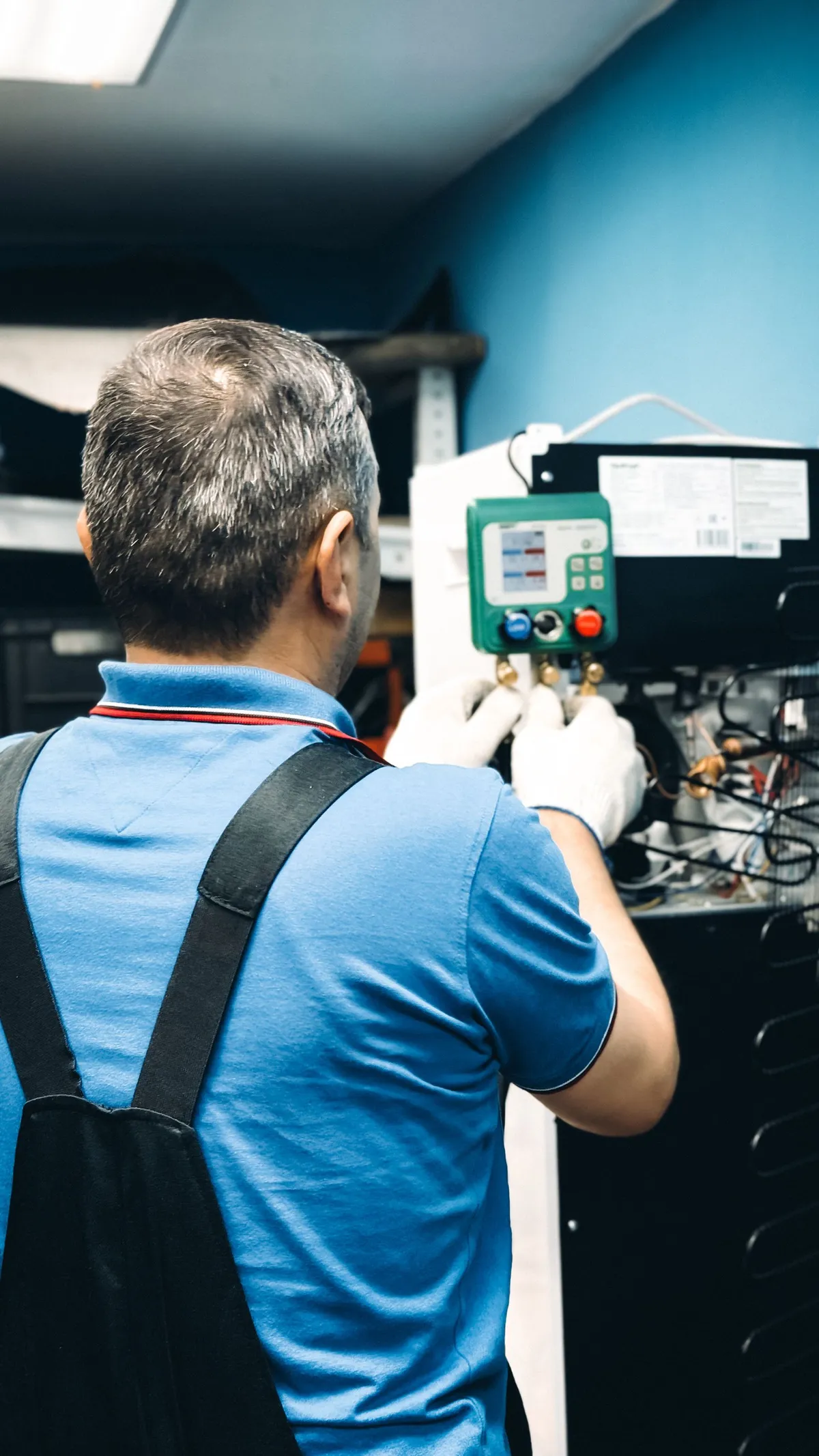
- Refrigerant levels are checked with gauges attached to the service ports. The technician looks for a low charge and signs of a slow leak.
- Airflow across the evaporator coil and through the ductwork is measured. Restricted airflow strains the compressor and reduces comfort.
- The condensate drain line and pan are inspected for clogs or standing water. This problem is common in Fenton's older homes with aging PVC drainage.
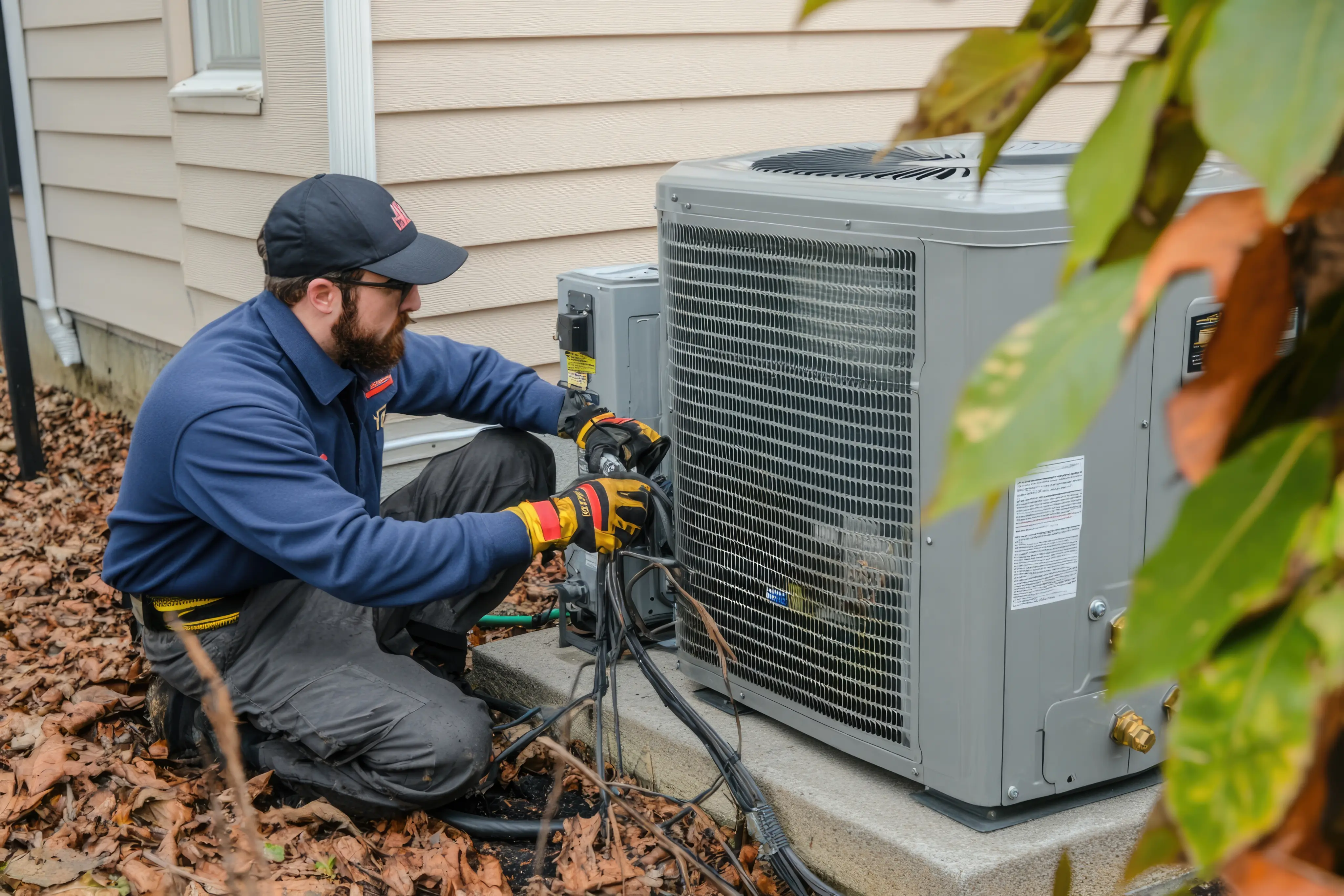
A handyman cannot legally perform this type of diagnostic and repair work. Patriot holds a St. Louis County Journeyman license (ML12523) and a Mechanical license (MSM02530). These credentials are required for opening electrical panels and handling refrigerant. They also cover mechanical repairs on residential HVAC equipment within the county. The technician at your home has met the training and testing standards the county requires before working on your system.
For you, the visit should feel methodical instead of being based on guesswork. Expect the technician to explain the readings during the inspection. They should show you the failed capacitor or low refrigerant gauge if either one caused the problem. You should also receive repair options with actual costs before work begins. Question a diagnosis that jumps to replacing a part without completing the earlier checks.
Confirming Your Repair Solved the Problem
A repair isn't finished when the compressor kicks back on or the airflow starts moving again. A system might run twelve hours a day during Fenton's humid summers. A fix that looks good for five minutes can fail by dinnertime if no one checks it. A technician who stands behind the work will run a real diagnostic check before packing up. A glance and a handshake aren't enough.
One telling number is the temperature differential. This is the difference between air entering the return vent and air leaving the supply vent. A healthy central AC system in the Fenton area should show a spread of roughly 16 to 22 degrees Fahrenheit (opens in a new tab). Your technician should measure it before leaving and show you the reading. That gives you proof that the repair addressed the cooling problem rather than one symptom.
- Static pressure and airflow readings at the supply and return vents confirm that the blower and ductwork are moving air as they should
- Refrigerant pressure checks on the high and low sides help rule out a slow leak that could return within weeks
- A full run cycle test lets the system operate for several minutes. This confirms that the repair holds under normal working conditions instead of startup alone
- A check of the thermostat response time shows if the repaired system reaches the set temperature within the expected window for your home's size
The conversation after those checks matters too. A good technician will tell you if the repair addressed an isolated failure. One example is a blown capacitor caused by a power surge after a Fenton thunderstorm. The technician should also tell you if the failure points to a larger problem such as an aging compressor. This distinction affects your budget. A repair on a ten-year-old unit may be a stopgap rather than a long-term solution. Knowing that now gives you time to budget for replacement instead of facing another surprise breakdown next July.
What Transparent Verification Looks Like
Before the technician leaves, you should see the before-and-after readings. You should also hear a plain-language explanation of the failure and its cause. Ask for a straight answer about the chance that your system will need another repair this season.