
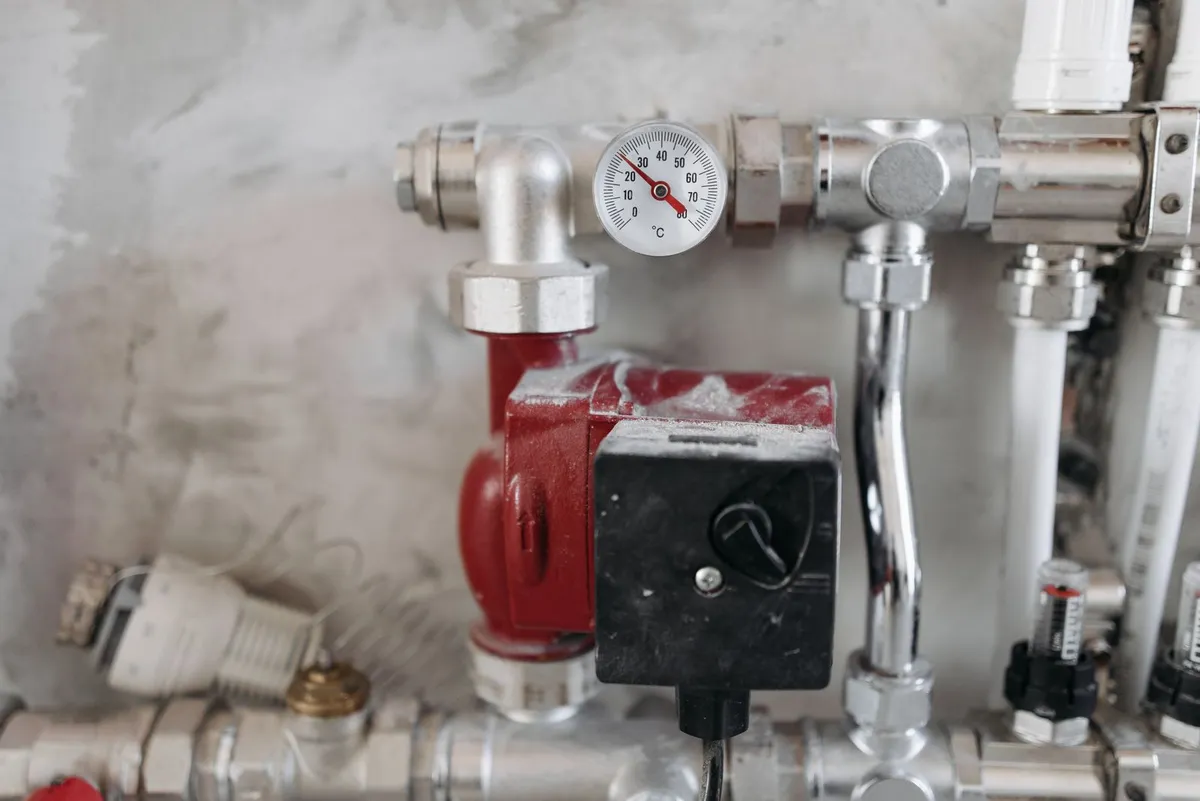
Most boilers hold up well for years, but past the 15-year mark, failures tend to stack up fast. Rust, banging noises, uneven heat, and climbing bills are the clearest signs a boiler is done. You need a heating contractor with the expertise to install properly sized boilers for home or a business.
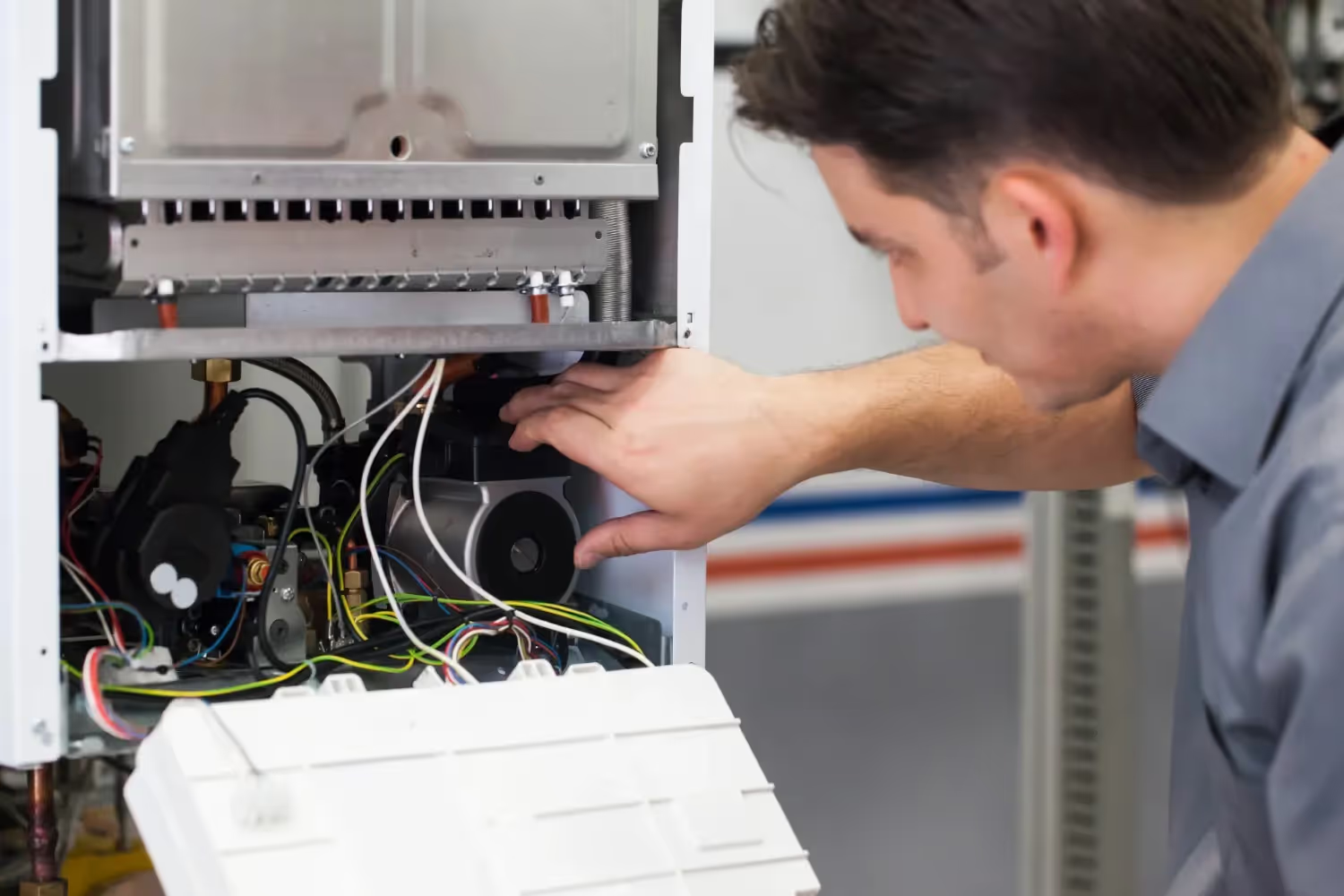
When You Need Boiler Installation
The following signs typically point to installation being the better investment:
- Rust, corrosion, or water pooling near the unit
- Banging or kettling noises from mineral buildup inside the heat exchanger
- Rooms heating unevenly, with some areas warm and others cold
- Rising gas or electric bills with no change in habits
- The boiler is 15 years or older and needs frequent repair calls
Age isn't the whole story. A boiler under 10 years old with one bad part, like a stuck valve or worn pump, is usually worth fixing. Older cast iron boilers from the 70s and 80s tend to fail hardest right when a cold snap hits after months of limping along. A boiler leaking from the tank itself, or a heat exchanger rusted through, isn't repairable. If repairs are running more than a quarter of what a new installation would cost, it's time to stop patching.
Our Boiler Installation Process
- Assessment. We inspect your current setup and confirm sizing based on your home's square footage and heat loss.
- Shutdown and drain. We safely disconnect gas, water, and electrical connections on the old system.
- Removal and prep. We remove the old boiler and prep the space, including any venting or piping changes needed.
- Installation. We set the new boiler, connect gas and water lines, and wire the controls.
- Testing. We test the system under real operating conditions, checking pressure and safety shutoffs.
- Walkthrough. We show you how to use the thermostat and controls before we leave.
Older homes often throw curveballs, like galvanized piping that needs replacing or a flue too small for the new unit. We catch that during the walkthrough, not halfway through the job. Every install follows our 6-Step Service System, so nothing gets skipped.
Installing Near the Meramec River
Fenton's proximity to the Meramec River includes a floodplain (opens in a new tab), which changes how we approach boiler placement for some homes. In older homes near the river, we've seen boilers sitting right on basement floors, inches from where water has crept in during past flood years. When we install in these homes, we set the unit on a raised platform or move it to higher ground in the basement whenever possible. River-area basements also tend to run damp, especially in spring, which can shorten a boiler's component life without proper venting and drainage from the start. Newer construction farther from the river brings tighter mechanical rooms and lower ceilings, which is why we measure clearances before quoting the job.
Boiler Installation Cost
Cost depends on your home's size, the boiler's output requirements, and any piping or gas line work needed for the new unit. Older homes with outdated piping or undersized gas lines typically cost more to bring up to code. We give you a clear price before work begins.
Why Homeowners and Businesses Choose Us
Co-owner Craig Denton has led local HVAC teams for over 35 years, and that experience shapes every boiler installation we do in Fenton, MO.
- Technicians train hands-on at our in-house facility before working on your property
- We measure clearances and check sizing before quoting, not after
- Upfront pricing, no hidden fees
- 24-hour response, including weekend emergency service
- Every technician passes a background check and drug screening
Ready for a boiler that's sized right and installed correctly? Patriot Heating, Cooling and Air Quality installs boilers throughout Fenton, MO. Schedule your installation today.
Warning Signs Your Boiler Needs Replacing
Quick Summary: Rust, banging noises, uneven heat, and rising bills are the big warning signs that your boiler is done. Age matters too, most boilers start failing hard past the 15 year mark. If you catch these early, you can plan boiler installation on your schedule instead of during a cold snap.
So how do you know it's time? Look at the water heater first, if there's a boiler near it and you spot rust or wet spots on the floor, that's not a small thing. Rust means the tank is breaking down from the inside. Once that starts, there's no patching it.
Banging or kettling noises are another one we hear about constantly. That sound is usually mineral buildup rattling around inside the heat exchanger. A repair might quiet it down for a while, but it tends to come back within a season or two.
- Rooms heat unevenly, some areas warm, others stay cold no matter what you do
- Your gas or electric bill keeps creeping up even though you haven't changed your habits
- The boiler is 15 years old or older and needs frequent repair calls
- You see rust, corrosion, or water pooling near the unit
- Pilot light keeps going out or burns yellow instead of blue
Now, not every one of these means you need boiler installation right away. A yellow pilot light can sometimes mean a simple cleaning. Uneven heat might just be a zone valve acting up. We've had plenty of Fenton customers call us panicked about noise, and it turned out to be a quick fix. But when you're stacking up three or four of these signs at once, especially on an older unit, that's when replacement starts making a lot more sense than another repair bill.
Repair vs. Replacement: When Fixing Isn't Enough
Not every boiler problem means you need a new one. We get calls where a homeowner is sure they need boiler installation, and it turns out to be a stuck valve or a bad igniter. So how do you know the difference? Age matters a lot here. A boiler under 10 years old with one bad part is usually worth fixing. Once you're past 15 years, the math starts working against you.
Older homes in Fenton with cast iron boilers from the 70s and 80s are the ones we see fail the hardest, usually right when a cold snap hits and the system's been limping along for months. If your boiler's leaking from the tank itself, not a fitting, that's the tank cracking, and that's not repairable. Same goes for a heat exchanger that's rusted through. Parts for older units also get harder to find every year, and waiting on a special order during a January freeze is nobody's idea of fun.
- Repeated repairs in the last two heating seasons, more than two or three calls is a signal
- Rising gas bills with no other explanation, efficiency drops as boilers age
- Uneven heat between rooms that used to warm evenly
- Rust or scale buildup you can see or hear rattling around inside
If you're standing there staring at a boiler that's ten years in and just needs a new circulator pump, get it fixed. That's the honest answer, every time. If you want the full rundown of what we handle beyond boilers, our heating and cooling services page covers everything we do for Fenton homes.
When the repairs start costing more than a quarter of what a new boiler installation runs, it's time to stop patching and start planning.
When a Repair Still Makes Sense
Here's the truth. We don't tell every customer they need boiler installation. Sometimes a repair is the right call, and we'll say so.
If your boiler is under fifteen years old and this is its first real breakdown, a repair usually fixes it. A bad igniter, a stuck valve, a worn pump. These are normal wear parts. They fail, we replace them, you're back in business. A single failed part on a younger unit means repair, not replacement.
- The boiler is younger than fifteen years and has a clean repair history
- This is the first breakdown you've had, not the third this winter
- The repair cost is a small fraction of what a new install would run
- Your heat output and hot water pressure still feel normal day to day
- No cracks, no rust weeping from the tank, no scorch marks near the burner
Notice a pattern of small fixes piling up over one winter? That's different. One repair is normal. Three repairs in two years is a boiler telling you something. But a single, isolated failure on a unit that's still got years left in it doesn't need a full swap. We'll check it, we'll tell you what we find, and if a repair gets you through, that's what we'll do.
Have questions? We're happy to help.
What Happens During Your Boiler Installation
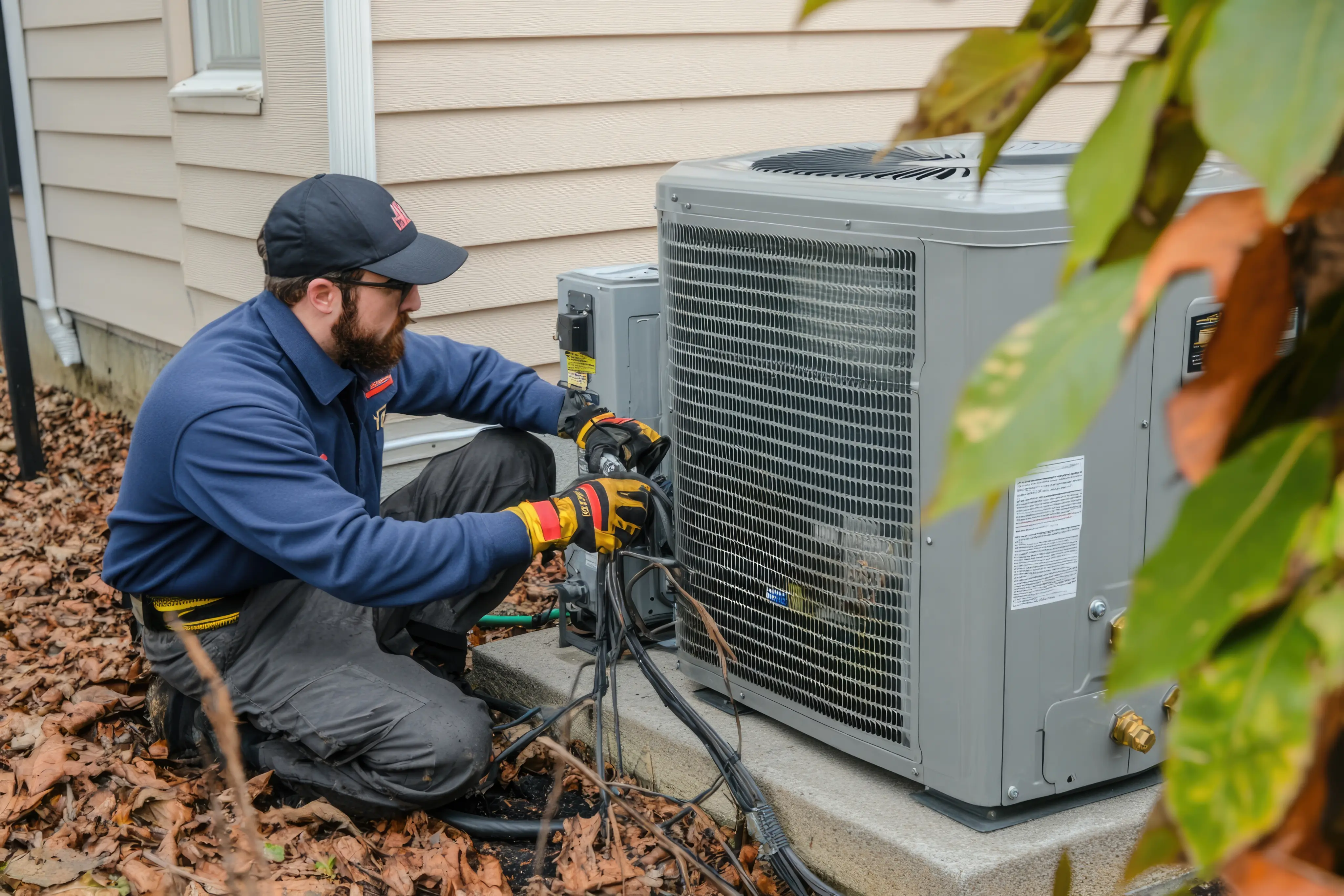
So what happens on install day? Good question. A lot of folks picture some rushed job where a tech shows up, swaps a box, and leaves. That's not how a real boiler installation works, and it shouldn't be.
Homes near the Meramec River sit close to a floodplain (opens in a new tab), and that changes how we plan the mechanical room setup. We look at where the unit sits relative to the floor, how the venting runs, and whether the existing gas line can handle the new unit's demand. None of that gets guessed at.
- We inspect your current setup and confirm sizing based on your home's square footage and heat loss.
- We shut down and drain the old system safely, disconnecting gas, water, and electrical connections.
- We remove the old boiler and prep the space, including any venting or piping changes needed.
- We set the new boiler, connect gas and water lines, and wire the controls.
- We test the system under real operating conditions, checking pressure, temperature, and safety shutoffs.
- We walk you through the thermostat and controls before we leave.
Older homes throw curveballs. Galvanized piping that needs replacing, a flue that's too small for the new unit, a gas line sized for a smaller appliance. We catch that stuff during the walk through, not halfway through the job.
Patriot runs every install through the same 6-Step Service System, so nothing gets skipped because it's a busy Tuesday.
Boiler Installation in Fenton Homes Near the Meramec River
Fenton sits close to the Meramec River, and that changes how we think about boiler installation here. We've walked into basements a few blocks from the water where the old boiler sat right on the floor, inches from where water has crept in during past flood years. That's not a spot we'll put a new one.
A lot of the older homes near the river have basements that were finished decades ago, before anyone thought hard about flood risk. So when we install a boiler in one of these houses, elevation matters. We'll set the unit on a raised platform or move it to higher ground in the basement whenever we can. It's a small step during install that saves you a massive headache later.
Newer construction farther from the river doesn't usually carry that same worry, but it brings a different one. Tighter mechanical rooms, lower ceilings, less room to maneuver. We measure clearances before we ever quote the job, because guessing leads to problems on install day.
Humidity is another thing the river brings to the table. Basements near the Meramec tend to run damp, especially in spring. That moisture can shorten the life of a boiler's components if the unit isn't set up with proper venting and drainage from day one.
The homes that call us near the river fall into one of two camps: flood-cautious basements needing elevation, or newer homes needing tighter-space solutions. Either way, the fix starts with knowing your house, not just your boiler.